
Can LiDAR Interactive Projection Support Multiple Rehabilitation Scenarios?

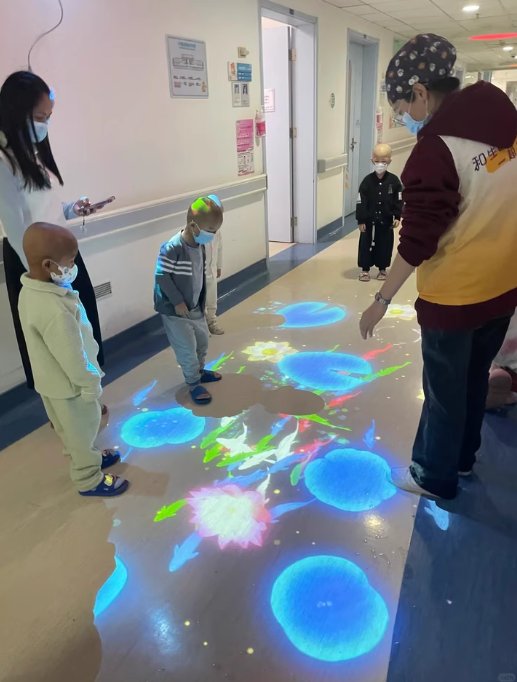
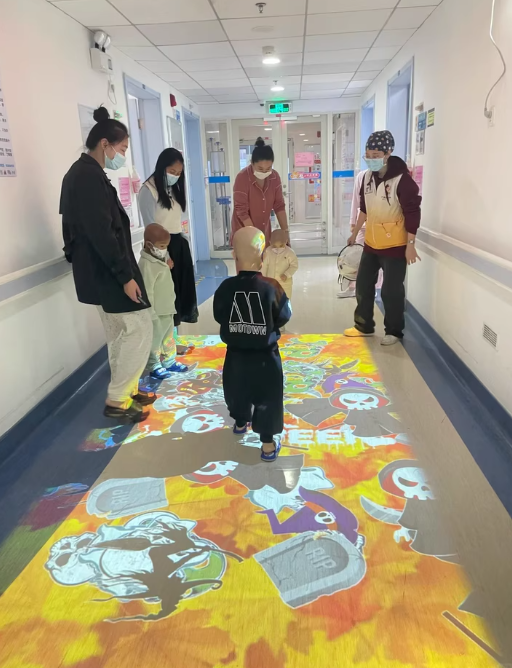
Introduction: One System, Endless Possibilities for Rehabilitation Modern rehabilitation demands flexibility, personalization, and efficiency. With patients presenting a wide range of physical, cognitive, and mobility needs, rehabilitation spaces can no longer rely on rigid one-size-fits-all approaches. Fortunately, LiDAR interactive projection systems are rising to the challenge. These advanced solutions allow for real-time switching between different…

LiDAR Interactive Projection Training vs. Traditional Rehabilitation: A Comparative Advantage

Introduction: A Smarter Path to Recovery As rehabilitation methods evolve, healthcare providers and rehabilitation centers are exploring technologies that offer greater safety, efficiency, and personalization. One standout innovation is LiDAR interactive projection training, which combines real-time motion capture with immersive projection to deliver a highly engaging and intelligent recovery experience. How does it compare with…

Revolutionizing Rehabilitation Patients with LiDAR Interactive Projection Training

Introduction: When Technology Meets Therapy Rehabilitation is no longer confined to repetitive exercises in clinical environments. With the integration of LiDAR (Light Detection and Ranging) and interactive projection technologies, a new era of intelligent and engaging recovery is emerging. These systems allow rehabilitation patients to follow projected exercises while their movements are tracked and analyzed…

How LiDAR Technology Captures Complex Gestures to Enable More Natural Interaction

Introduction In the era of touchless technology, natural human-computer interaction (HCI) is more important than ever. From smart homes to public displays and robotics, users expect intuitive interfaces that respond to nuanced gestures. LiDAR-based gesture recognition systems are revolutionizing the way we interact—by replacing physical touch with invisible precision. This article explains how advanced LiDAR…

How Desktop LiDAR Interactive Projection Delivers a Natural Touchless Experience

Introduction As the demand for hygienic, intuitive, and immersive digital interaction grows, desktop LiDAR interactive projection systems offer a revolutionary way to interact—without physical contact. Powered by advanced motion tracking and gesture recognition, these systems replace the limitations of traditional touchscreens with an airborne, touchless interface. Let’s explore how desktop LiDAR projection creates a natural,…

How Multi-LiDAR Cascading Enhances Detection Accuracy and System Stability

Introduction In the world of smart sensing and autonomous perception, high-precision and stable detection is critical. While standalone LiDAR sensors offer excellent baseline performance, complex applications such as autonomous driving, industrial robotics, and interactive projection systems demand more. This is where multi-LiDAR cascading technology comes into play. By combining multiple LiDAR devices or chips, cascading…

The Advantages of Multi-LiDAR Cascading in Interactive Projection Systems

Introduction As demand for large-scale, non-contact interaction continues to grow, single LiDAR units often fall short in range and responsiveness. That’s where multi-LiDAR cascading comes in. By integrating multiple LiDAR devices into a unified system, developers can unlock broader coverage, finer precision, and a more immersive experience—perfect for large projection walls, spliced LCD displays, exhibitions,…

Unlocking Large-Scale Interaction: Application Scenarios of Multi-LiDAR Cascading

Introduction As demand grows for large-area, high-precision, multi-point interaction, traditional single-sensor systems can no longer meet the needs of modern interactive environments. Multi-LiDAR cascading—the integration of multiple LiDAR devices or chips—offers a powerful solution by expanding detection range, enhancing resolution, and supporting multiple users and touchpoints. In this article, we explore real-world application scenarios where…