
LiDAR Interactive Projection for Virtual Sports Entertainment

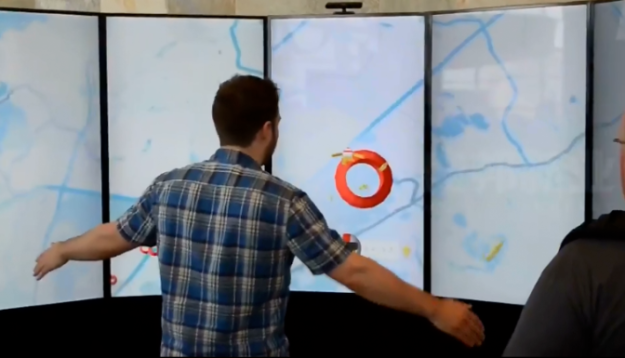
Virtual sports entertainment is evolving fast—people want movement, competition, and immersion, but they don’t want to wear sensors or hold controllers. That’s exactly where LiDAR interactive projection shines. By combining LiDAR-based multi-person tracking + real-time game visuals (projector or LED screen), venues can create a “run, jump, kick, and score” experience that feels like a…

PoE Single-Channel LiDAR: 2D Single-Line Guide

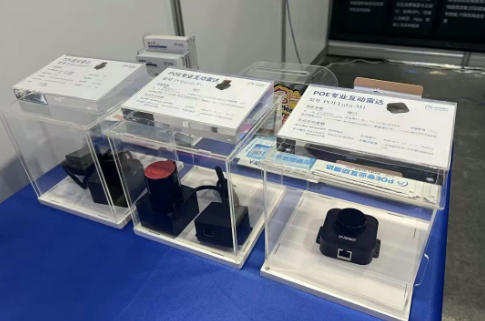
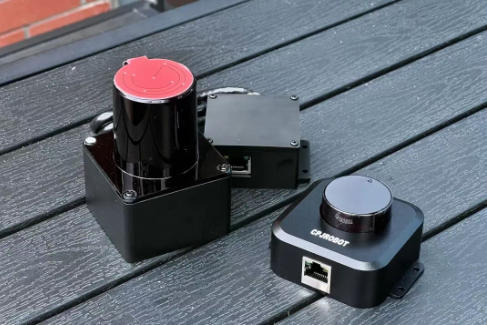
PoE Single-Channel LiDAR in Plain Terms When people say “PoE single-channel LiDAR”, they typically mean a 2D, single-line (single-beam) scanning LiDAR that: This sensor class is popular because it hits a practical sweet spot: simple wiring, stable data output, solid precision, and manageable cost—making it a go-to choice for interactive projection systems, entry sensing, and…

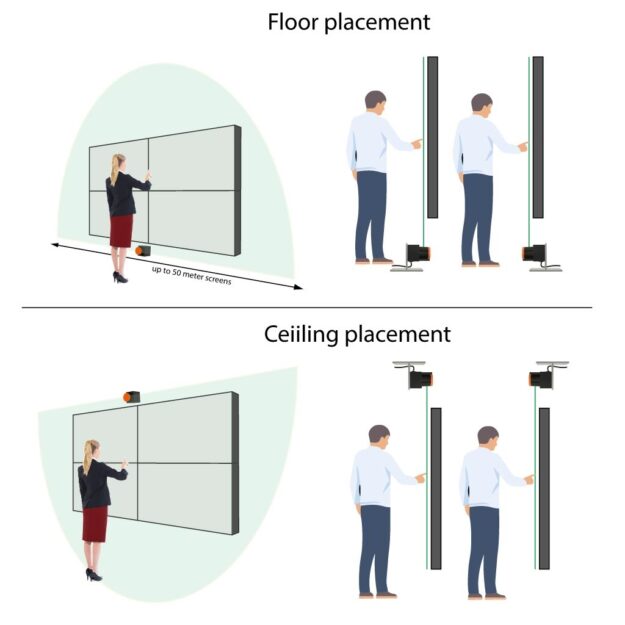
PoE LiDAR Interactive Wall: Turn Any Surface into a Giant Touch Screen

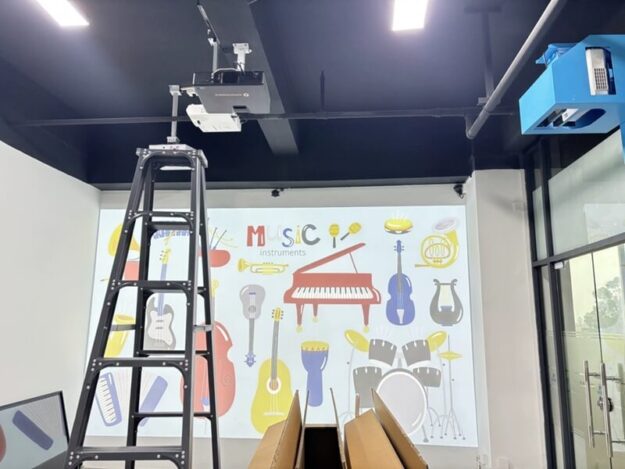
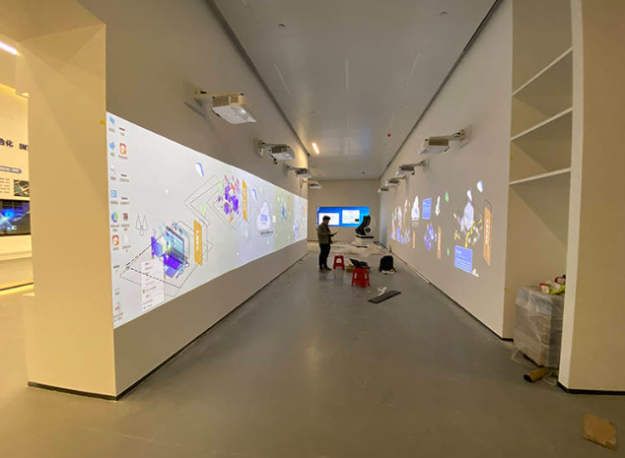
Introduction: Breaking Physical Boundaries to Turn “Walls” into Interactive Gateways In the era of immersive experiences, static displays are no longer enough. Whether in retail, museums, or corporate showrooms, audiences crave interaction. However, scaling traditional touch technology to the size of a wall is fraught with challenges. The solution lies not in bigger screens, but…

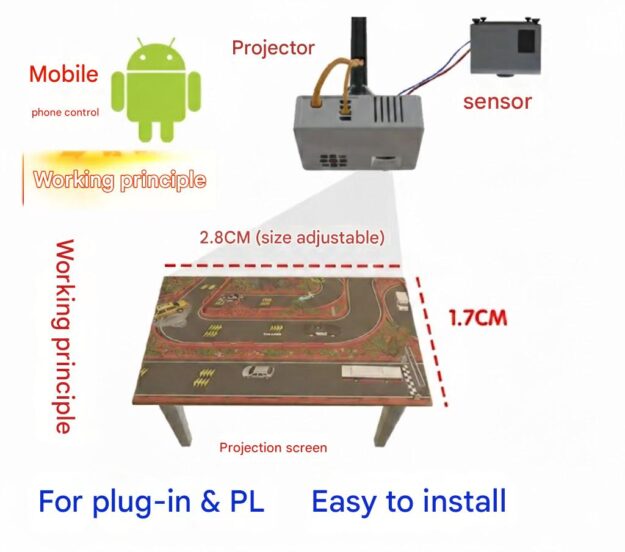
Choosing a Short-Range LiDAR Sensor for Tabletop Interactive Projection

If you’re building a desktop/tabletop interactive projection system, the sensor is the make-or-break component. You need reliable short-range detection (roughly 0.2–4 m), high refresh rate, a wide field of view, practical power and cabling, and a workflow that fits interactive content (projection mapping, coordinate calibration, touch/gesture events). In many interactive projection projects, people say “radar,”…