
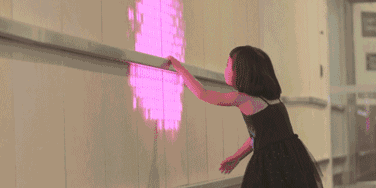
Hospitals can be intimidating for children. Long waits, unfamiliar environments, and medical procedures often create anxiety before treatment even begins.
To ease these emotions and respect children’s natural love for play, more pediatric hospitals are transforming their entrance corridors into glowing interactive pathways—warm, engaging spaces that replace fear with curiosity.
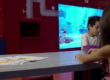
A PoE LiDAR interactive projection wall is especially well suited for pediatric entrances. It enables contactless, multi-user interaction, turning waiting time into a gentle, creative experience without increasing hygiene risks.
A Glowing Interactive Corridor That Changes the Hospital Experience
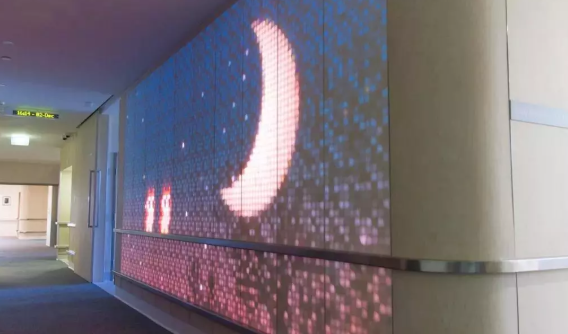
At the pediatric entrance, a long wall or corridor becomes a shimmering interactive passage.
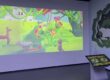
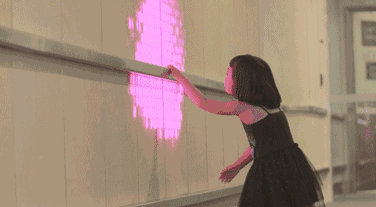
Children can use their hands and footsteps as brushes, drawing light, colors, and movement across the wall as they walk.
The interactive content may include 15 themed scenes, such as:
- Lively nature environments
- Curious science and technology moments, like airplane takeoff or rocket launch
- Gentle fantasy worlds filled with stars, bubbles, and floating shapes
As children move through the corridor, the hospital feels less cold and clinical—and more like a place of exploration and imagination.
Why PoE LiDAR Is Ideal for Pediatric Hospital Entrances
Contactless Interaction for Hygiene and Safety
PoE LiDAR detects distance and movement, not physical touch.
- Children do not need to touch screens or walls
- Reduces the risk of cross-infection
- Suitable for high-traffic medical environments
Interactive feedback can be subtle and playful:
- Footsteps create flowing light trails
- Hand gestures grow flowers or release stars
- Gentle movement triggers animations instead of loud reactions
Large-Area, Multi-Child Interaction
A pediatric entrance corridor often spans 8–20 meters.
LiDAR allows the entire wall—or multiple wall sections—to function as one continuous interactive surface.
- Multiple children and parents can interact simultaneously
- No “point grabbing” or interaction conflicts
- Ideal for group movement and shared play
With PoE (Power over Ethernet), power and data run through a single cable, minimizing construction impact on existing hospital infrastructure.
Pediatric Design Principles for Interactive Walls
Emotional Comfort Comes First
For pediatric environments, interaction design must prioritize emotional reassurance:
- Soft colors and warm palettes
- Calm themes inspired by nature, space, animals, and seasons
- Low-stimulus rhythms and gentle animation speeds
Rather than competitive games, the experience should feel like open exploration, allowing children to play freely without pressure or failure.
Quiet, Gentle Feedback
Unlike arcade or entertainment venues, hospitals require restraint.
- Visual interaction as the main feedback channel
- Light, ambient sound effects only when appropriate
- No sudden flashes, loud sounds, or aggressive motion
Interactive walls can even support wayfinding:
- Footsteps illuminate directional icons
- Department symbols gently light up as children approach
This blends play with practical navigation.
Content and Theme Planning Suggestions
Modular Themes Along the Corridor
A long pediatric corridor can be divided into small thematic sections:
- 15 themes across the wall
- Each theme spans 3–5 meters
- Children “unlock” new scenes as they move forward
Example themes include:
- Forests and oceans
- Cities and transportation
- Space and science
- Holidays and seasonal changes
- “Hospital Little Heroes” with friendly medical characters
Simple, Intuitive Interaction Types
Each theme can include 2–3 interaction modes, such as:
- Hand-drawing interaction
Swiping gestures grow plants, draw stars, or reveal animals - Footstep interaction
Stepping on glowing circles triggers:- Airplanes taking off
- Rockets launching
- Bubbles floating upward
- Stay-and-discover interaction
Standing still for a few seconds reveals:- Encouraging messages
- Smiling cartoon doctors
- Gentle “you’re doing great” animations
Combining Play with Health Education
Interactive content can subtly include pediatric health education:
- Hand-washing and hygiene habits
- Brushing teeth and wearing masks
- Vaccination awareness
- Friendly introductions to stethoscopes, CT scans, or injections
By encountering these elements through play, children become more familiar—and less afraid—of upcoming medical procedures.
Installation and Safety Considerations
Spatial Planning and Movement Flow
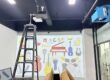
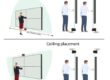
- LiDAR sensors are mounted overhead or high on side walls, out of children’s reach
- Sensors scan the corridor from a top-down or angled view to avoid occlusion
- Projections or LED displays are placed on side walls, keeping main walkways clear
This ensures safety, smooth pedestrian flow, and uninterrupted medical access.
Medical-Grade Power and Maintenance
- All devices use low-voltage weak current systems
- Cabling is concealed within ceilings or walls
- Equipment connects to centralized hospital electrical and IT rooms
The content management system can be located at:
- A nurse station
- A control room or back office
Staff can easily:
- Adjust content
- Lower volume during quiet hours
- Instantly disable interaction during emergencies
CPJROBOT: PoE LiDAR Interactive Solutions for Pediatric Healthcare
CPJROBOT is an interactive LiDAR manufacturer and solution provider specializing in PoE LiDAR interactive projection systems.
For pediatric hospitals, CPJROBOT provides:
- High-precision, multi-point LiDAR sensing
- Contactless interaction suitable for medical environments
- Complete solutions covering hardware, software, and content integration
- Custom interactive themes designed for children and healthcare spaces
Their PoE LiDAR systems are designed for long-term stability, low maintenance, and safe public operation, making them well suited for hospitals and clinics.
- What Is LiDAR Interactive Projection? A Complete Guide to Its Applications in Modern Exhibition Halls
- What Is LiDAR Interactive Projection? A Complete Guide to Its Applications in Modern Exhibition Halls
- Advantages of Interactive Projection in Multimedia Digital Exhibition Halls
- Three Common Types of Interactive Wall Projection in Modern Exhibition Halls
- The Future of Dining — Inside the Interactive Projection Restaurant Revolution