
Interactive Floor Projection Systems: Costs, Technology, and Venue Applications

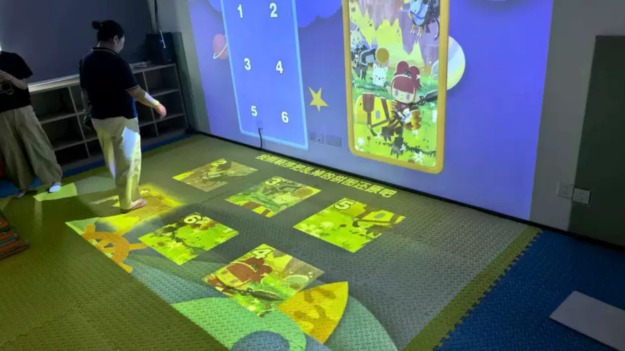
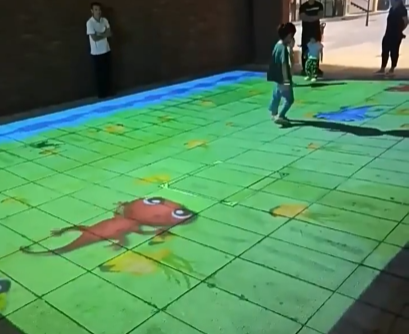
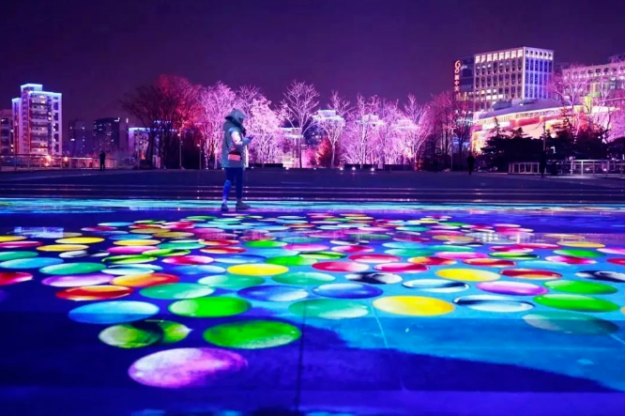
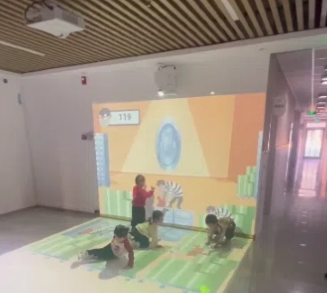
Ground interactive projection systems have become a popular way to engage audiences in exhibitions, museums, retail spaces, and entertainment venues. With prices ranging from $9,000–$45,000, understanding what drives these costs can help businesses make informed decisions. How Ground Interactive Projection Works Ground interactive projection captures participants’ movements using motion-sensing devices like PoE LiDAR, infrared cameras,…

LiDAR vs Infrared vs Camera Touch Systems

Which Interactive Technology Actually Works Better in Real Projects? When planning an interactive wall or immersive projection installation, many buyers initially focus on: But experienced integrators know: The real experience depends on the tracking system. And today, most interactive projects are choosing between three technologies: On paper, all three can create “interactive experiences.” But in…

What Is TOF LiDAR and How It Works in Interactive Systems

As interactive installations scale from small touchscreens to large immersive environments, traditional sensing technologies (like infrared or camera-based tracking) often struggle with accuracy, stability, and environmental interference. This is where TOF (Time-of-Flight) LiDAR becomes critical. In this article, we break down: This guide is written from an engineering and system integration perspective, focusing on how…

POELIDAR-F1 Interactive LiDAR Installation Guide

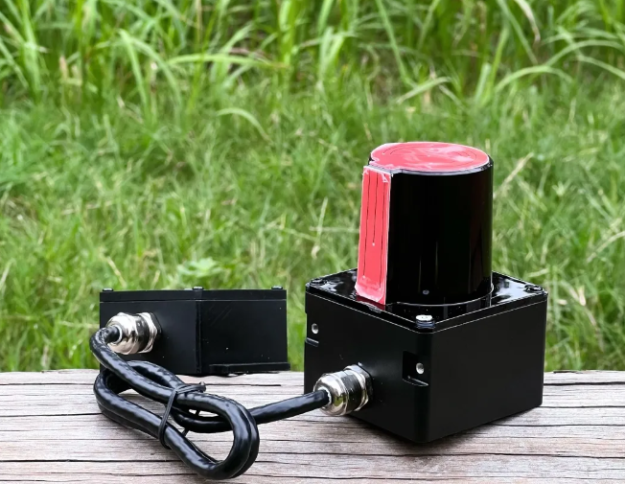
In immersive interactive projects, installation accuracy directly determines user experience and deployment efficiency. Many integrators still struggle with traditional interactive radar systems—complex wiring, unstable performance, and time-consuming calibration. The POELIDAR-F1 by CPJROBOT is engineered to solve these issues. With TOF (Time-of-Flight) precision sensing, PoE (Power over Ethernet) integration, IP65 protection, and 270° wide-angle scanning, it…

 Step-by-Step Guide to Installing LiDAR Interactive Floor Projection Systems

Interactive floor projections have transformed retail spaces, museums, events, and entertainment venues by turning ordinary floors into highly engaging, touch-sensitive digital surfaces. While camera-based systems were once the standard, LiDAR (Light Detection and Ranging) technology has become the preferred choice due to its massive coverage area, immunity to ambient light changes, and pinpoint accuracy. If you are…

Desktop Interactive Projection Table: How It Works, Use Cases

A desktop interactive projection table combines a projector with an “invisible touch” sensing system to transform an ordinary table into a multi-touch, gesture-responsive interface. Users can tap, drag, zoom, rotate, and collaborate directly on the tabletop surface. This technology is widely deployed in restaurants, museums, exhibition halls, retail pop-ups, and children’s spaces, delivering immersive engagement…

Interactive Wall Projection Troubleshooting Guide

Practical Solutions for Common On-Site Problems Interactive wall projection systems—where people walk, wave, or touch in front of a wall and trigger real-time visual effects—are widely used in exhibitions, shopping malls, museums, brand events, and immersive spaces. In real-world installations, most failures fall into three core areas: Below is a hands-on troubleshooting checklist based on…

Advantages of PoE LiDAR Multi-Touch Signature Walls

The Ideal Large-Screen Interactive Solution for High-Traffic Events PoE LiDAR signature walls represent a next-generation large-format, multi-touch interactive display. By using PoE-powered LiDAR sensing, these systems overcome the limitations of traditional infrared frames and capacitive touch screens, making them ideal for high-traffic, experience-driven environments such as exhibitions, weddings, brand launches, conferences, and corporate events. In…

Immersive Space Interaction with 2D 360° PoE Interactive LiDAR

Transforming Floors, Walls, and LED Screens into Touch-Responsive Environments Immersive spaces are redefining how people experience exhibitions, entertainment, education, and commercial environments. With 2D 360° PoE Interactive LiDAR and professional LiDAR Touch software, designers can turn floors, walls, and LED screens into fully touch-responsive, motion-driven immersive environments—without physical contact. From interactive floor projection and immersive…