
POELIDAR-F1 Interactive LiDAR Installation Guide

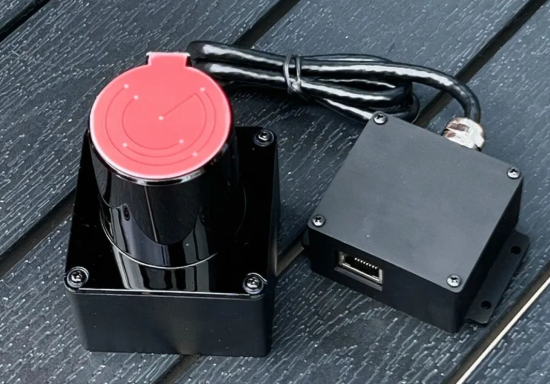
In immersive interactive projects, installation accuracy directly determines user experience and deployment efficiency. Many integrators still struggle with traditional interactive radar systems—complex wiring, unstable performance, and time-consuming calibration. The POELIDAR-F1 by CPJROBOT is engineered to solve these issues. With TOF (Time-of-Flight) precision sensing, PoE (Power over Ethernet) integration, IP65 protection, and 270° wide-angle scanning, it…

Desktop Interactive Projection Table: How It Works, Use Cases

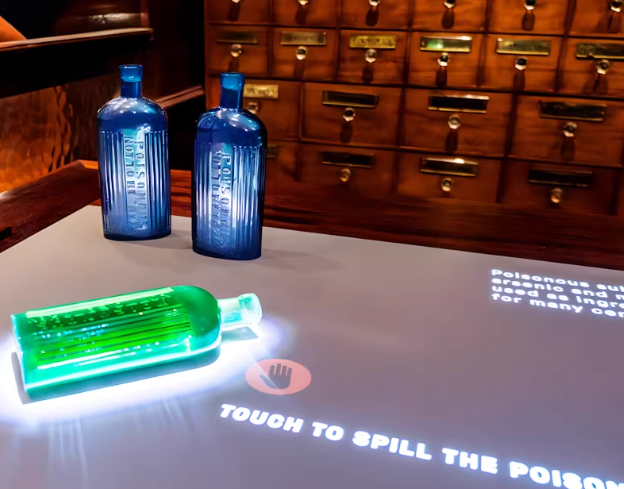
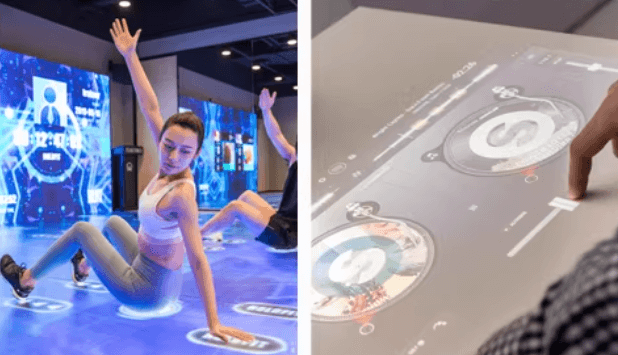
A desktop interactive projection table combines a projector with an “invisible touch” sensing system to transform an ordinary table into a multi-touch, gesture-responsive interface. Users can tap, drag, zoom, rotate, and collaborate directly on the tabletop surface. This technology is widely deployed in restaurants, museums, exhibition halls, retail pop-ups, and children’s spaces, delivering immersive engagement…

PoE Interactive LiDAR for Stage Installations and Live Performances

Powering Immersive Stage, LED Wall, and Audience Interaction As live performances, brand launches, and immersive shows continue to evolve, stage interaction technology has moved far beyond traditional lighting and screens. PoE Interactive LiDAR has emerged as a reliable, scalable solution for real-time, multi-point interaction across large performance spaces—from stages and LED walls to audience zones.…

The Now: An Immersive Interactive Visual Wall Installation

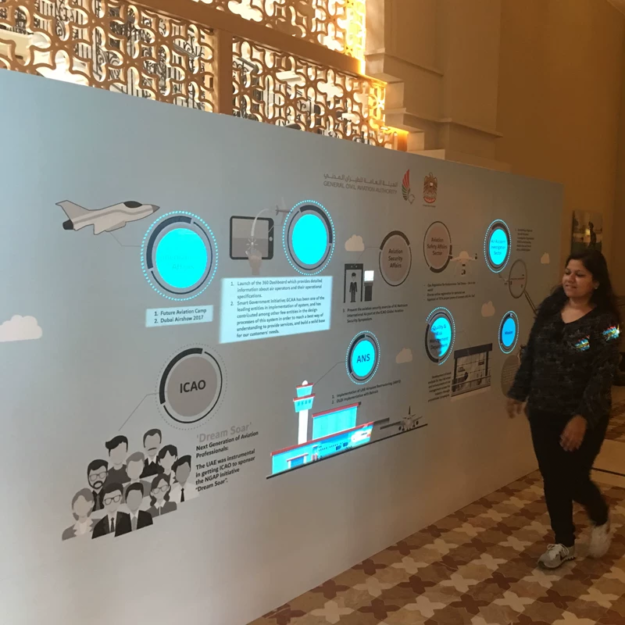
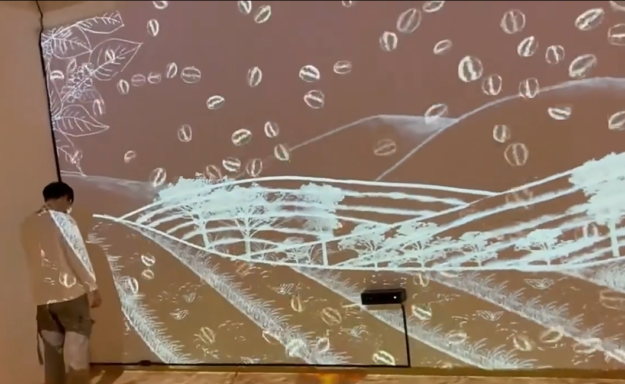
In today’s urban landscapes, public art is no longer just something to observe—it’s something to experience, influence, and co-create. At the intersection of digital storytelling, visual design, and cutting-edge sensing technology lies “The Now”, a groundbreaking interactive wall installation that redefines how people engage with art in shared spaces. This large-scale public artwork not only…

PoE LiDAR Interactive Projection Walls for Pediatric Hospital Entrances

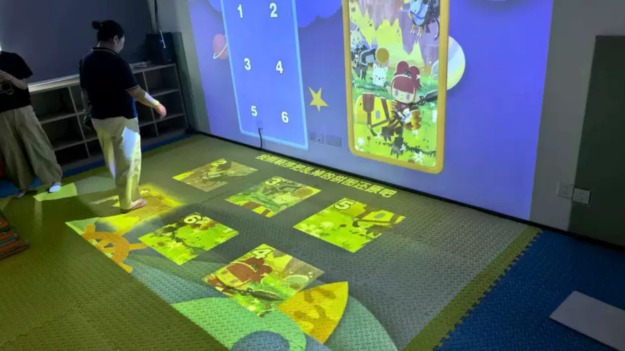
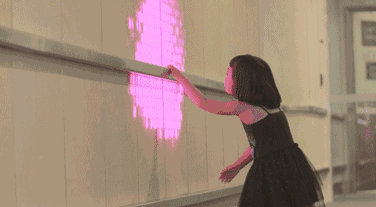
Hospitals can be intimidating for children. Long waits, unfamiliar environments, and medical procedures often create anxiety before treatment even begins.To ease these emotions and respect children’s natural love for play, more pediatric hospitals are transforming their entrance corridors into glowing interactive pathways—warm, engaging spaces that replace fear with curiosity. A PoE LiDAR interactive projection wall…

PoE Interactive LiDAR for Stage Installations and Live Performances

Live performances and concerts are no longer just about sound and visuals—they are increasingly about real-time audience interaction.PoE Interactive LiDAR has emerged as one of the most reliable technologies for creating contactless, multi-user, large-scale interaction across stages, floors, walls, and LED screens. From interactive music control to crowd-driven lighting effects, LiDAR enables performers and audiences…

How Many Touch Points Does LiDAR Need for Large Interactive Wall?

When designing a large interactive music wall or LiDAR interactive projection system, one of the most critical—and often underestimated—specifications is multi-touch capacity. For small installations, limited touch points may be sufficient. But for large walls with multiple users, insufficient touch capacity quickly leads to missed inputs, delayed responses, and a frustrating experience. So, how many…

What Is LiDAR Interactive Projection? A Complete Guide to Its Applications in Modern Exhibition Halls

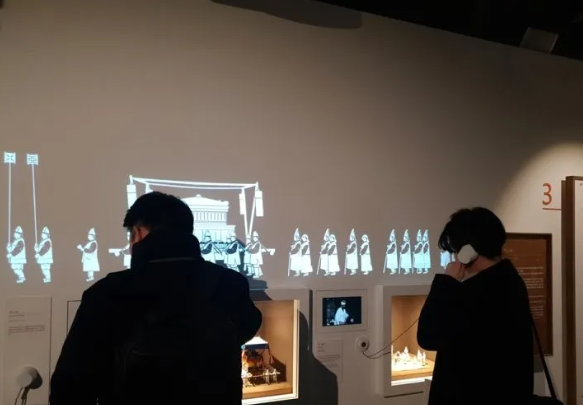
The Power of Multimedia Interaction As digitalization and “E+ connectivity” reshape visitor experiences, multimedia display technology has become the centerpiece of modern exhibition halls.By combining computer vision, projection mapping, and LiDAR sensing, interactive projection systems turn ordinary surfaces into dynamic storytelling tools that react to human movement, touch, and gestures. These systems merge art, technology,…

How LiDAR Creates Invisible Multi-Touch Walls in Mid-Air

Introduction: The Evolution of Touch Interaction In the past, interaction meant physical contact — from tapping smartphone screens to touching digital kiosks. But as technology advances, the boundaries of “touch” are being redefined.Today, LiDAR (Light Detection and Ranging) technology makes it possible to interact with invisible walls of light — allowing users to control digital…