

Understanding PoE LiDAR vs. Traditional USB Sensors
The transition from USB-based LiDAR sensors to Power over Ethernet (PoE) technology represents a significant shift in how we approach real-time sensing systems. While traditional USB sensors operate with straightforward point-to-point connections, PoE LiDAR systems introduce additional layers of complexity that directly impact system reliability and performance.
Unlike USB sensors that combine power delivery and data transmission through a single dedicated cable, PoE LiDAR systems distribute these functions across a shared network infrastructure. This fundamental architectural difference creates unique challenges that system designers must understand and address.
The Four Critical Dependencies of PoE LiDAR Systems
PoE LiDAR technology depends on four interconnected elements that must work seamlessly together:
Power over Ethernet Infrastructure
PoE delivers electrical power through standard Ethernet cables, eliminating the need for separate power supplies at sensor endpoints. This convenience comes with a critical caveat: the power delivery quality depends entirely on your network switch specifications and cable quality. A PoE switch rated for 60W may not consistently deliver adequate power across extended cable runs or in environments with high electrical noise.
TCP/IP Communication Protocol
Data transmission occurs through standard TCP/IP protocols rather than proprietary USB interfaces. This standardization offers flexibility but introduces network-layer complexity. Your LiDAR system must compete for bandwidth alongside other network traffic, share DNS resolution with other devices, and adapt to varying network conditions in real-time.
Stable Packet Transmission Requirements
Real-time LiDAR data streams generate substantial packet traffic—typically 200-500 Mbps depending on frame rates and resolution. Packet loss, latency spikes, or jitter in your network can cause data discontinuities. Unlike buffered USB connections, network packets lost in transmission cannot be recovered, resulting in corrupted point cloud data.
Real-Time Data Streaming Demands
Interactive applications require consistent, low-latency data delivery. A gesture recognition system for an interactive floor installation cannot tolerate periodic 100-millisecond latency spikes. These performance requirements make PoE LiDAR particularly sensitive to network congestion, interference, and infrastructure limitations.
The Hidden Failure Mode: Powered but Not Communicating
One of the most insidious challenges with PoE LiDAR systems is that visible failure symptoms often don’t match underlying problems. A LiDAR sensor may appear fully operational—indicator lights active, cooling fan running—while data transmission silently fails in the background.
This hidden failure mode occurs because PoE power delivery operates independently from data communication. A switch might provide adequate power while simultaneously dropping packets due to congestion or cable interference. Your system appears healthy until you attempt to process LiDAR data and discover the point cloud stream has stopped or degraded.
This scenario becomes particularly problematic in live interactive installations where stakeholders cannot easily diagnose the root cause. During a gallery opening with projection mapping, an intermittent network connection appears as a malfunctioning sensor rather than an infrastructure problem.
Why Interactive Installations Demand Network Reliability
Interactive applications place PoE LiDAR systems under stress that traditional survey or mapping applications never encounter.
Interactive Floors
Floor-based gesture recognition systems require split-second response times. A visitor steps onto an interactive floor tile, and the system must detect this within 50-100 milliseconds. Network latency or data loss translates directly into visible delays in visual feedback, destroying the sense of immersion and responsiveness that makes these installations compelling.
Interactive Walls and Projection Mapping
Real-time projection mapping systems track object positions and adjust projected content accordingly. Dropped LiDAR packets mean missed position updates, resulting in jittering projections or complete loss of tracking. These visual artifacts are immediately apparent to end-users and severely degrade the installation experience.
Digital Museums and Educational Installations
Museum visitors expect flawless functionality throughout their visit. Interactive exhibits powered by PoE LiDAR must maintain consistent performance across hours of continuous operation, through changing environmental conditions, and while handling unpredictable user interactions. Network instability becomes unacceptable in these professional settings.
Commercial Exhibitions and Retail Environments
Trade show floors and retail spaces feature crowded network environments where interference from wireless access points, mobile devices, and other connected systems creates electromagnetic noise. PoE LiDAR systems must operate reliably despite these challenging conditions.
Reference Model: The CPJROBOT POELIDAR-M1
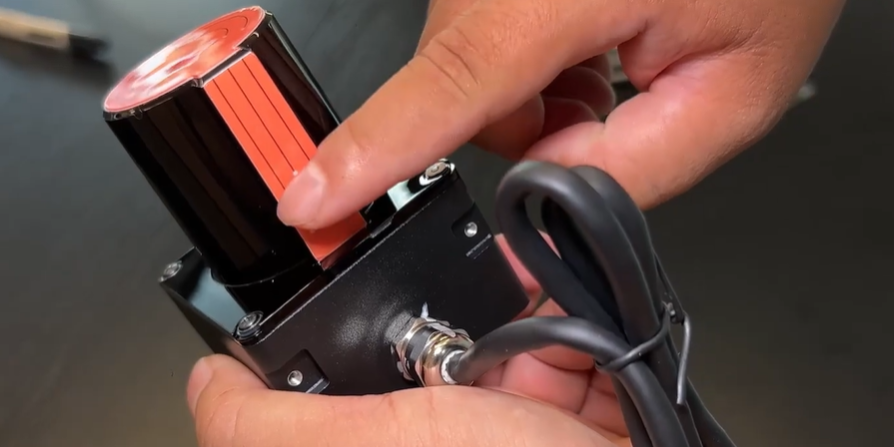
The CPJROBOT POELIDAR-M1 exemplifies modern PoE LiDAR design, weighing just 125.5 grams and specifically engineered for interactive applications. This lightweight sensor delivers high-performance depth sensing through network connectivity, making it ideal for installations where USB cable runs prove impractical.
However, the POELIDAR-M1’s compact form factor and interactive-focused specifications highlight exactly why network environment management becomes critical. At 125.5g, this sensor can be mounted in creative positions across interactive installations—overhead for floor tracking, embedded in walls, or suspended from ceiling-mounted projection rigs. Yet each mounting location increases network complexity, requiring longer Ethernet runs, additional switches, or wireless bridging that introduces latency.
Critical Network Parameters for PoE LiDAR Performance
Successfully deploying PoE LiDAR systems requires attention to specific network metrics often overlooked in general IT infrastructure planning.
Bandwidth Requirements
PoE LiDAR systems generate sustained high-bandwidth data streams. A sensor operating at 30 frames per second with 160,000 points per frame generates approximately 96 million point measurements per second. This translates to real bandwidth requirements of 150-300 Mbps depending on compression and encoding. Your network must provide dedicated bandwidth capacity, not theoretical maximum speeds.
Latency and Jitter Specifications
Interactive applications demand consistent, predictable latency below 50 milliseconds, with jitter (variation in latency) under 10 milliseconds. These requirements exceed typical office network specifications. Peak latency exceeding 100 milliseconds or jitter above 20 milliseconds causes visible performance degradation in real-time interactive systems.
Packet Loss Tolerance
LiDAR systems require near-zero packet loss rates. Even 0.1% packet loss (1 packet per 1,000) becomes visible as missing depth data in your point cloud. Industrial-grade Ethernet infrastructure typically maintains below 0.01% loss, but consumer-grade network equipment may fluctuate between 0.1% and 1% under load.
Electromagnetic Interference Management
PoE systems operate on standard Ethernet frequencies (100 MHz for Cat5e, 250 MHz for Cat6, 500 MHz for Cat6A). High-power equipment, wireless transmitters, and industrial machinery generate interference at these frequencies. Proper cable shielding, grounding, and physical separation from interference sources becomes essential for reliable operation.
Practical Implementation Strategies
Successfully deploying PoE LiDAR systems requires deliberate infrastructure planning and ongoing monitoring.
Begin with comprehensive network auditing. Before installing PoE LiDAR sensors, baseline your network performance: measure latency, packet loss, jitter, and available bandwidth under realistic conditions. This establishes whether your existing infrastructure can support LiDAR deployment.
Implement dedicated network segments for LiDAR systems. Rather than connecting sensors to general office or retail networks, create isolated network segments for interactive installations. This prevents competition with other traffic and enables precise quality-of-service configuration.
Use industrial-grade Ethernet infrastructure throughout. Cat6A shielded cabling, managed PoE switches with priority queuing, and redundant power supplies ensure consistent performance. While more expensive than consumer equipment, industrial components provide the reliability interactive installations demand.
Maintain ongoing performance monitoring. Deploy network monitoring tools that track packet loss, latency, and jitter in real-time. Set alerts for performance degradation before it impacts user experience.
Conclusion: Network Environment as Critical as Hardware
PoE LiDAR systems like the CPJROBOT POELIDAR-M1 represent the future of interactive sensing technology, offering unprecedented flexibility in sensor deployment. However, this flexibility comes with responsibility: system designers must treat network environment configuration as seriously as hardware selection.
The most sophisticated LiDAR sensor cannot deliver acceptable performance through degraded network infrastructure. Interactive floors, projection mapping systems, and digital museum installations demand that network reliability receive equal investment alongside sensor hardware.
As you plan your next interactive installation, dedicate time and resources to network infrastructure planning. Audit your environment, implement dedicated network segments, deploy industrial-grade components, and maintain continuous performance monitoring. This disciplined approach to network management transforms PoE LiDAR from a sensitive technology into a reliable foundation for immersive interactive experiences.
Ready to deploy PoE LiDAR systems in your interactive installations? Contact our technical team to discuss infrastructure requirements specific to your project, and discover how to ensure network reliability for seamless real-time sensing performance.