
How to Choose an Interactive Projection System: A Buyer’s Guide

Why interactive projection projects are easy to mis-specify An interactive projection system is a chain: surface, light, projector, sensor, computer, software, content, installation, and operations. A strong component cannot compensate for every weak link. Buyers often compare one headline number—projector lumens, touch points, or sensor range—without checking whether the complete system works in the target…

Where Does Wall Interactive Projection Work Best? Five Commercial Applications

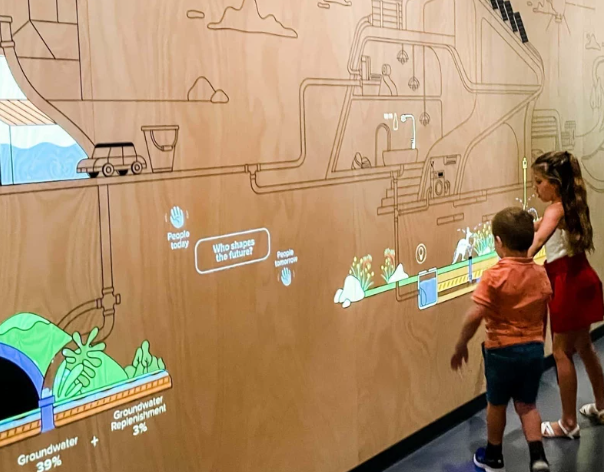
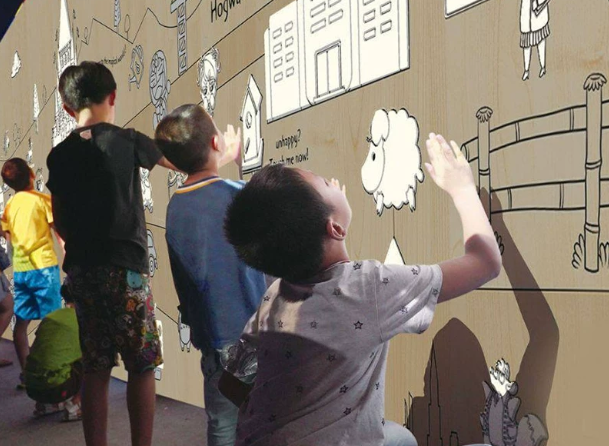
What is wall interactive projection? Wall interactive projection combines a projected image with sensing and software so users can influence content by touching, pointing, gesturing, or moving near a wall. Depending on the design, the “wall” may be a painted surface, projection screen, scenic panel, or custom architectural feature. Unlike a conventional video wall, the…

Interactive Projection Applications: A Practical Guide for Exhibitions, Retail, Education, and Hospitality

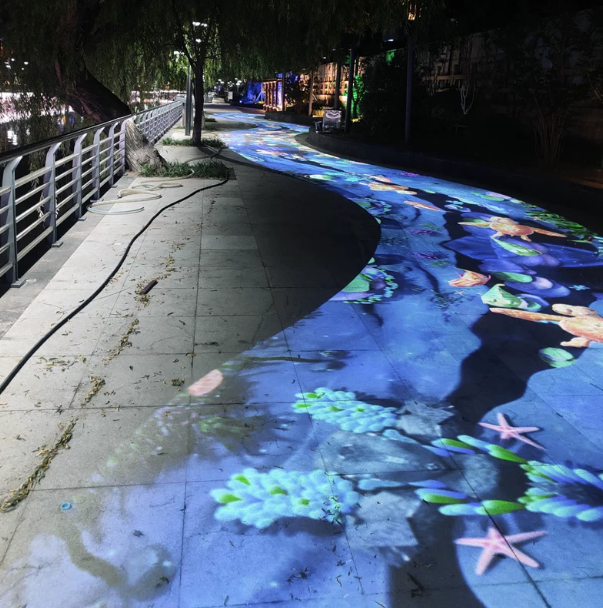
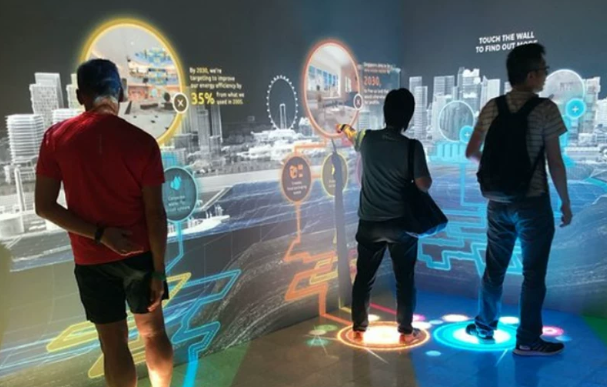
Interactive projection applications: where does the technology create real value? Interactive projection turns a wall, floor, table, or custom surface into a responsive digital experience. A typical system combines a projector, an interaction sensor, a computer, and software. The sensor observes a touch, step, gesture, or object; the software interprets that input; and the projected…

How to Scale LiDAR Touch Systems Across Large Venues

When an interactive installation grows beyond a single wall panel, most sensor technologies start to show their limits. Camera-based systems struggle with lighting inconsistency. Infrared frames need precise mechanical alignment. Ultrasonic setups lose accuracy past a few meters. For AV integrators and experience designers who have run into these walls, multi-sensor LiDAR cascade is worth…

Interactive Floor Projection Systems: Costs, Technology, and Venue Applications

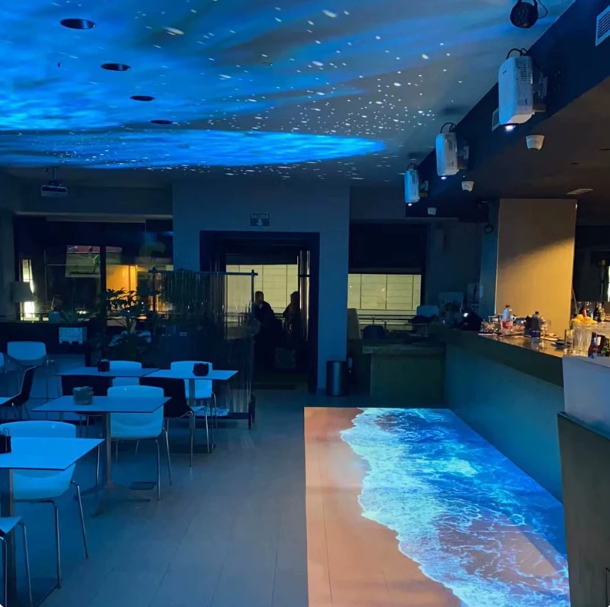
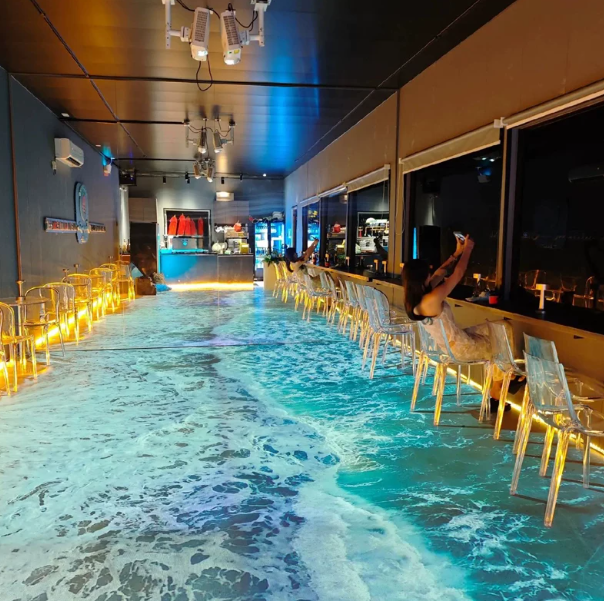
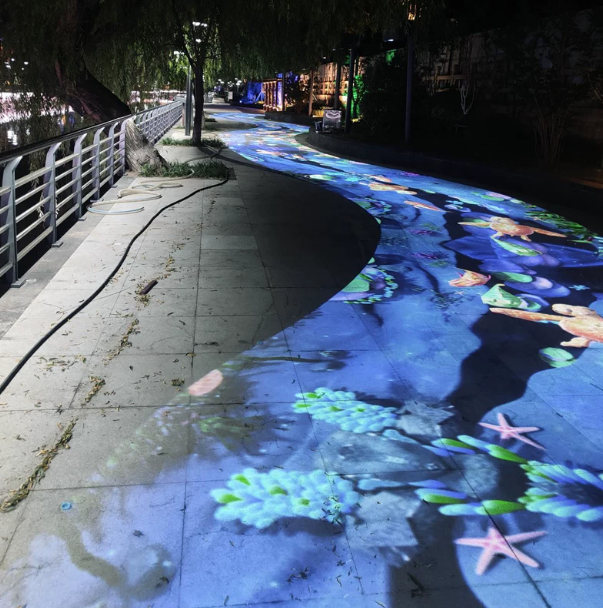
Ground interactive projection systems have become a popular way to engage audiences in exhibitions, museums, retail spaces, and entertainment venues. With prices ranging from $9,000–$45,000, understanding what drives these costs can help businesses make informed decisions. How Ground Interactive Projection Works Ground interactive projection captures participants’ movements using motion-sensing devices like PoE LiDAR, infrared cameras,…

LiDAR Touch Accuracy Issues: What Causes Calibration Errors in Interactive Systems?

LiDAR Touch Accuracy Problems? The Real Reasons Your Interactive System Feels “Off” In many interactive projection projects, the system technically works. The LiDAR connects normally. The software runs. The projection looks impressive. But users still complain: At CPJROBOT, we see this issue constantly in: And surprisingly: Most LiDAR touch accuracy problems are NOT caused by…

Why PoE LiDAR Systems Are Sensitive to Network Environments: A Complete Guide

Understanding PoE LiDAR vs. Traditional USB Sensors The transition from USB-based LiDAR sensors to Power over Ethernet (PoE) technology represents a significant shift in how we approach real-time sensing systems. While traditional USB sensors operate with straightforward point-to-point connections, PoE LiDAR systems introduce additional layers of complexity that directly impact system reliability and performance. Unlike…